
How to photograph boats at the Abu Dhabi International Boat Show: tame the glare, then go tight
How to photograph boats at the Abu Dhabi International Boat Show, 19 to 22 November 2026: a polarising filter for glare, detail shots, marina light and consent.
Key takeaways
- The official Plan your visit page dates the 2026 show from 19 to 22 November at Marina Hall, ADNEC Centre Abu Dhabi, from 2pm to 10pm, with last entry at 9:30pm.
- Expose for the bright water and the lit side of the hull, then let the shaded decks and cabins fall darker.
- Rotate a circular polariser while you watch the water, and stop when the reflections are where you want them, not when they have vanished completely.
- Work from the pontoon first, and ask exhibitors before you board or photograph an interior; this article does not state camera rules for the show.
- The Dubai International Boat Show, 25 to 29 November 2026 at Dubai Harbour, is a second chance to practise the same methods.
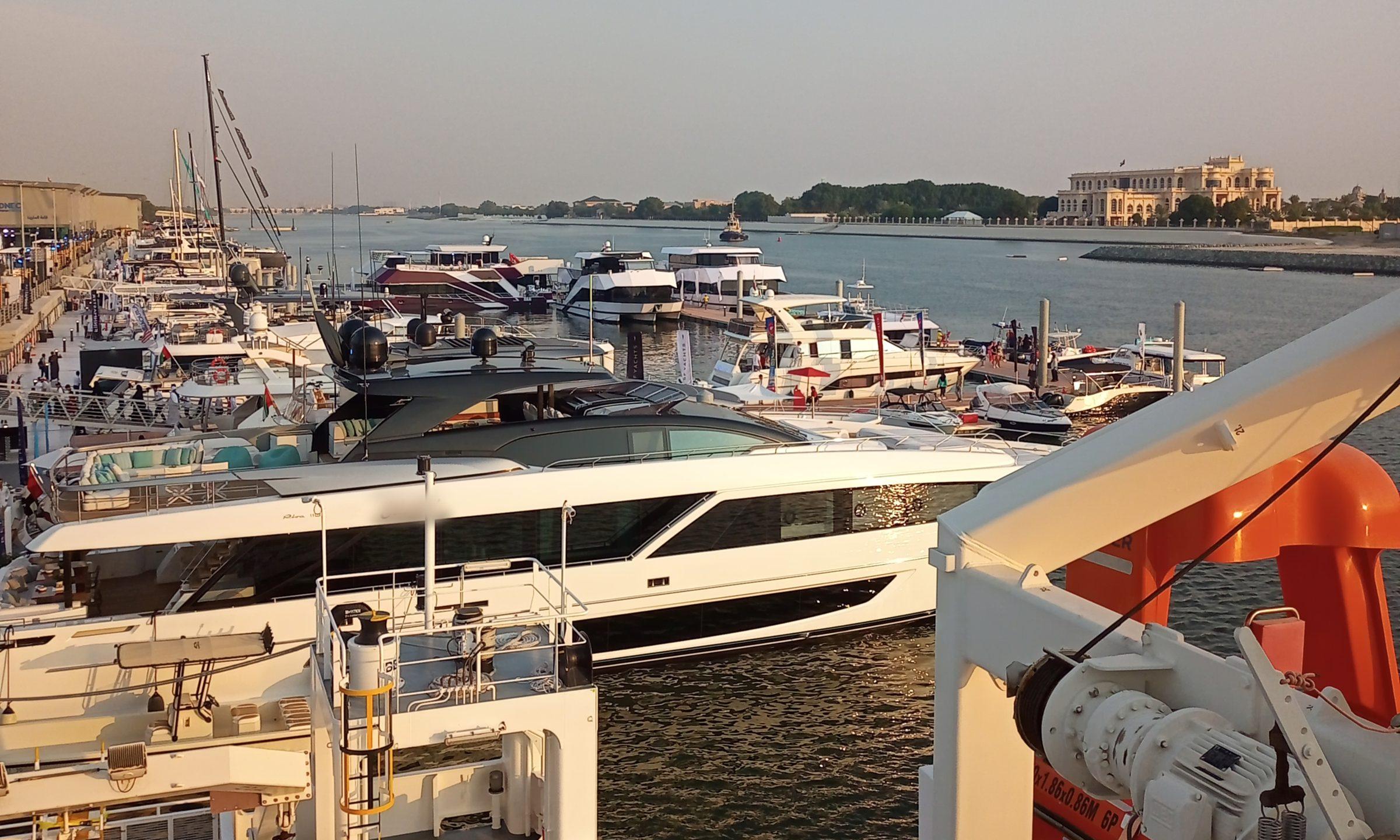
Open water, white gelcoat and polished chrome are brighter than they look, and that's the first thing to get right when you photograph boats. The Abu Dhabi International Boat Show is a useful place to practise how to photograph boats, because you can walk a marina of hulls, rigging and reflections in a few hours, and the official hours run late enough for golden hour and blue hour on the same visit. The official Plan your visit page dates the 2026 show from 19 to 22 November (Thursday to Sunday) at Marina Hall, ADNEC Centre Abu Dhabi, from 2pm to 10pm, with last entry at 9:30pm. Tickets are via the official site. This is a practical lesson, with the Abu Dhabi Boat Show 2026 as the worked example. The same methods apply at any marina you can walk: a polarising filter for water reflections, an exposure that holds the bright water, tight details, and a wide frame at the end of the day.
Aletihad, in a 17 November 2026 report, describes this as the eighth and largest edition, and says participating exhibitors and brands have risen to 1,210, from 57 countries, with 168 boats on display. That gives you plenty of hulls to work with, and it also means busy pontoons. Check at entry and ask exhibitors before you photograph, board a boat or shoot an interior. This article does not state camera rules for the show, because we found none on the organiser's pages.
Abu Dhabi International Boat Show 2026, as reported by Aletihad
- participating exhibitors and brands
- 1,210
- countries
- 57
- boats on display
- 168
The official Plan your visit page also states: "Visitors under 16 years of age must be accompanied by a parent or adult aged 18 years or over." The same page encourages smart casual and traditional attire, and says visitors wearing shorts, sleeveless tops, or revealing clothing will not be permitted entry.
How to photograph boats when the water is bright
A camera that averages the whole scene will often lift the midtones until the highlights clip. Expose for the bright water and the lit side of the hull, then let the shaded decks and cabins fall darker. A slightly darker file is easier to recover than a file in which the water has turned into a white slab. Watch the brightest reflections first, not the average of the frame.
A polarising filter is the other half of this job. A circular polariser screws onto the front of the lens. As you rotate the front ring, watch the water and the glossy parts of the hull: glare will fade and then return. Stop when the reflections are where you want them, not when they have vanished completely, because a little reflection can still describe the shape of the boat. The effect of a polarising filter on water reflections is usually strongest when you're looking across the water at an angle to the sun, rather than straight into it or with the sun directly behind you. The filter also cuts some light, so keep an eye on your shutter speed if you're hand-holding on a pontoon.
If you shoot on a Sony body, the Help Guide for the Alpha 7 V describes Zebra Display as a pattern that appears over part of an image if the brightness level of that part meets the IRE level you have set, and tells you to use that pattern as a guide to adjust the brightness. To check for overexposure, the same page says to set a minimum value so the pattern appears on areas at or above that level. A Zebra Level of 100 or 100+ is a sensible starting point for chrome and open water; check the guide for your own model. The same Sony Alpha 7 V guide lists a Highlight metering mode, which measures brightness while emphasising the highlighted area on the screen and suits shooting while avoiding overexposure; it also notes that the subject may come out dark if a brighter part is in the frame.
Detail shots: hulls, ropes and chrome
Wide views of a yacht can flatten into a catalogue picture: a white shape on blue water, with no sense of how the boat is put together. Move in on one thing. The waterline, a run of rope on a cleat, a chrome fairlead, a name on the transom, the join between two panels of hull, or the grain in a timber caprail will often say more than another three-quarter view from the dock.
These yacht photography tips apply whether the boat is a fishing skiff or a motor yacht. Fill the frame, keep the edges simple, and watch your own reflection in chrome and dark glass, along with the reflections of other visitors. A polariser can help here too, but a small change of angle often does as much work. Do not lean out over the water or step onto a boat to get the tighter crop unless an exhibitor has said that you may.
If a detail is under a hard midday shine, wait, or move until the highlight becomes a small streak rather than a burned patch. Late afternoon is kinder to chrome and to pale hulls, which is one reason the show's hours are useful: you can make the closer pictures first and still have time for a wider marina frame as the light drops.
Marina photography at golden hour and blue hour
Marina photography at a show like this needs a wide frame as well as the details. From the pontoon, look for the line of the walkway, the repeated masts or flybridges, and the gap of water that leads the eye into the picture. Include enough of the marina to show where you are, and enough of a single boat or a cluster of boats to give the frame a subject. A very wide view with no anchor point will read as a crowd scene, not as a photograph of boats.
The official hours, 2pm to 10pm, cover late afternoon, sunset and the blue hour that follows. In the warmer light, hulls pick up colour and the water carries longer reflections. After sunset, deck lights, the hall and the marina lighting become part of the picture, and the sky holds a short window of deep blue before it goes black. You don't need a long-exposure project to use that window: a braced stance, a careful shutter, and a frame that already works in daylight will usually be enough. If you bring a tripod or a monopod, check at entry and keep it out of the walkway.
Two boat shows, two sets of hours: when you can shoot
Stand where you can see both the boats and the water, and leave space in the foreground rather than cropping through a random prow. If people walk through the frame, wait for a gap, or accept a small figure as scale and follow the consent advice below. The same wide-plus-detail pair is worth making at both ends of the visit: one set in daylight, one after the lights come on.
Shoot from the pontoon, and ask before you board
Work from the pontoon first. Keep your bag at your feet, not in the path, and do not block a gangway, a boarding point or a sightline for someone who is already taking a picture. A marina during a show is a workplace as well as a display. Move when you're asked, and do not linger in a narrow section to wait for a reflection that may not come.
Ask exhibitors before you board, and ask again before you photograph an interior. Cabins, helm stations and saloons are not public streets. There may be staff, clients, documents or private fittings in the frame, and an exhibitor may be happy for you to look and still prefer that you do not photograph inside. Check at entry and ask exhibitors; do not assume that a camera on a strap is permission to go on board.
The same courtesy applies to close photographs of a boat's branding, a name, or a display that is clearly being used for a meeting. If you're unsure, ask. A polite no is part of the job, not a problem to work around.
People, heat, salt spray and drones
A boat show is full of people, and many of them will walk through your wide frames. If a person is identifiable in the photograph, ask before you take it, and do not publish the picture without permission. That applies on the pontoon, on a deck and in a cabin. Our guides to photography laws in the UAE and street photography consent in the UAE set out the position in more detail. This article is not legal advice.
November at a marina is milder than high summer, but salt spray, sun on pale decks and a long afternoon still reach the camera. Keep a cloth in the bag, change lenses out of the wind if you can, and do not leave a body sitting on a sunny gunwale. Our guide to protecting a camera from heat, sand and humidity in the UAE covers the practical habits.
Drones: GCAA Safety Decision 2026-03, Issue 03, 27 April 2026, suspends drone flights in the UAE unless you hold a written GCAA exemption. We found no GCAA cancellation document for that decision as of 17 November 2026. It is not listed among the 2026 entries on the current GCAA Safety Decisions index, and official u.ae pages still describe the normal recreational rules (including the 'My Drone Hub' app), so check the current status before you fly. GCAA's drone regulation (CAR-UAR Issue 04) directs registration and permits to the UAE Drones platform (drones.gov.ae). See flying a drone in the UAE. This article does not state event-specific drone rules for the boat show.
A second chance: the Dubai International Boat Show 2026
Three days after the Abu Dhabi show closes, the Dubai International Boat Show offers a second chance to practise the same methods. The official site lists the 2026 show from 25 to 29 November at Dubai Harbour. The organiser's hours are 15:00 to 20:00 on Wednesday 25, Thursday 26 and Sunday 29 November, and 15:00 to 21:00 on Friday 27 and Saturday 28 November. Tickets are via the official site.
The light is still late-afternoon into evening, the subject is still boats and water, and the same habits apply: expose for the bright water, rotate a polariser until the glare is useful, make details as well as wide marina frames, stay out of the way on the pontoon, and ask before you board or photograph an interior. If you only have time for one visit, Abu Dhabi, from 19 to 22 November, comes first. If you can do both, treat Dubai Harbour as a second pass at the pictures you missed, in a different marina, with a slightly later start to the day.
Sources
All accessed on 18 November 2026.
- Abu Dhabi International Boat Show: Plan your visit (19 to 22 November 2026, Thursday to Sunday; 2:00pm to 10:00pm; last entry 9:30pm everyday; Marina Hall, ADNEC Centre Abu Dhabi; age requirement and dress code)
- Abu Dhabi International Boat Show: Home (19 to 22 November 2026; 2pm to 10pm, last entry 9.30pm daily; Marina Hall, ADNEC Centre Abu Dhabi)
- Aletihad: Abu Dhabi International Boat Show 2026 attracts 1,210 exhibitors from 57 countries (17 November 2026; eighth and largest edition; 168 boats on display)
- Dubai International Boat Show: official site (25 to 29 November 2026, Dubai Harbour; organiser hours 15:00 to 20:00, 15:00 to 21:00 Friday and Saturday)
- Sony Alpha 7 V (ILCE-7M5) Help Guide: Zebra Display (pattern appears when brightness meets the set IRE level; use as a guide to adjust brightness; overexposure check by setting a minimum value)
- Sony Alpha 7 V (ILCE-7M5) Help Guide: Metering Mode (Highlight mode emphasises the highlighted area and suits avoiding overexposure; the subject may be dark if a brighter part exists)
Frequently asked questions
When is the Abu Dhabi International Boat Show 2026, and what are the hours?
The official Plan your visit page dates it from 19 to 22 November 2026, Thursday to Sunday, at Marina Hall, ADNEC Centre Abu Dhabi. Hours are 2pm to 10pm, with last entry at 9:30pm. Tickets are via the official site. The same page states: "Visitors under 16 years of age must be accompanied by a parent or adult aged 18 years or over."
How do I photograph boats when the water is bright and full of glare?
Expose for the highlights on the water and the lit side of the hull, rather than for the average of the frame. A circular polarising filter, rotated while you watch the water, will cut glare and can leave a more useful reflection on the hull. If your camera offers a zebra or highlight warning, use it to see where the brightest patches are about to clip.
Can I go on board a yacht, or photograph the interior?
Ask the exhibitor first, and ask again before you photograph inside. This article does not state camera rules for the show. Check at entry and ask exhibitors. Do not step onto a boat, block a gangway, or treat a cabin as a public set.
Can I photograph people at the boat show?
Ask first if a person will be identifiable, and do not publish the picture without permission. See our guides to photography laws in the UAE and street photography consent in the UAE. This is not legal advice.
Do UAE drone rules apply if I want an aerial view of the marina?
Yes. UAE drone rules apply; this article does not state event-specific drone rules for the show. GCAA Safety Decision 2026-03, Issue 03, 27 April 2026, suspends drone flights in the UAE unless you hold a written GCAA exemption, and you should check the current status before you fly.
Missed Abu Dhabi? When is the Dubai International Boat Show 2026, and what are the hours?
The official site lists it from 25 to 29 November 2026 at Dubai Harbour. The organiser's hours are 15:00 to 20:00 on Wednesday, Thursday and Sunday, and 15:00 to 21:00 on Friday and Saturday. Tickets are via the official site. It's a second chance to practise the same boat and marina methods, three days after Abu Dhabi closes.

About the editor
Nicole spent five years working in the Middle East, so the region is familiar ground. Producing is what she loves most: bringing the plan, the people and the shoot together.
Related stories

15 most photogenic spots in the UAE: light first, GPS second
The most photogenic spots in the UAE fail at noon haze. Fifteen locations, golden-hour windows, etiquette and source-backed tips for Dubai to Fujairah.
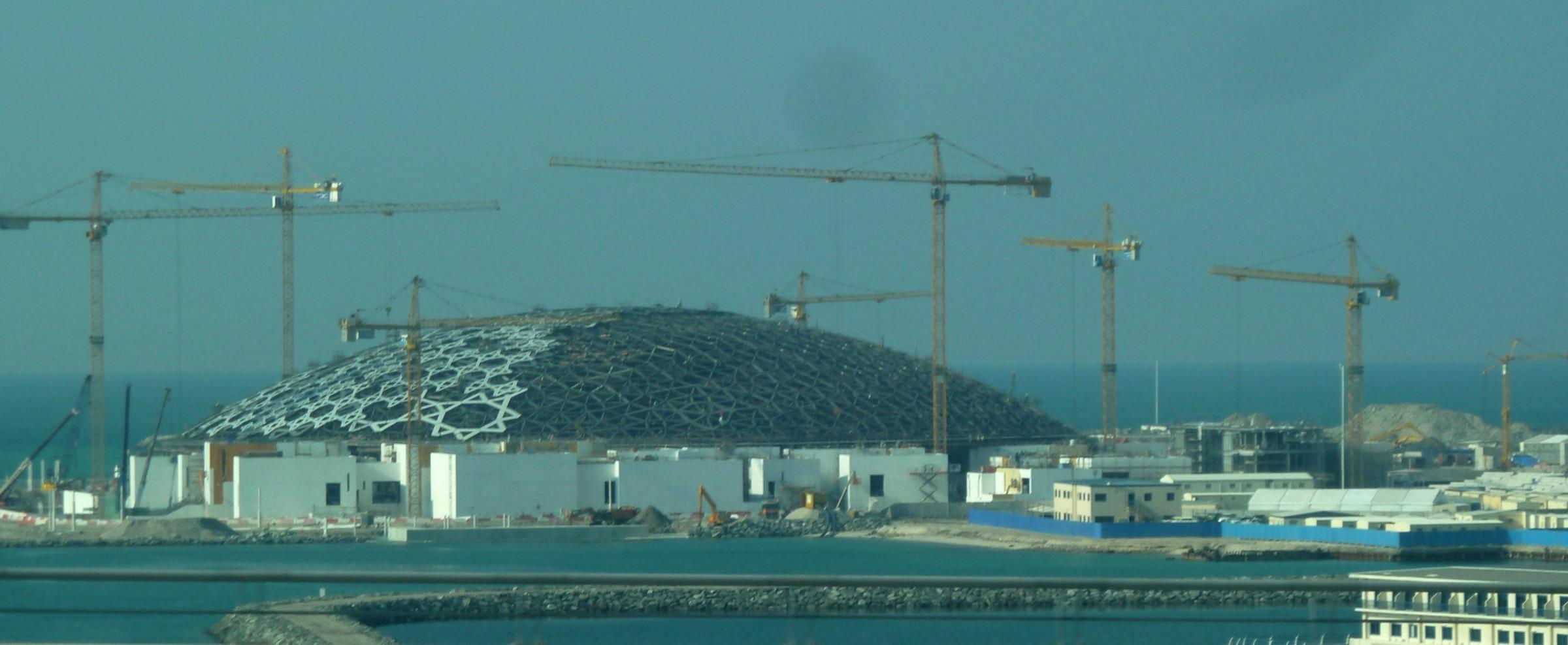
Louvre Abu Dhabi time-lapse: how 10 cameras filmed 8 years in under 3 minutes
EarthCam says it captured over one million images of Louvre Abu Dhabi over eight years. Here is how its 10 time-lapse cameras recorded the build.
Hoba film opens in US cinemas as The Vile, a year after its UAE release
Majid Al Ansari's Hoba, from Image Nation, was reported to open in US cinemas as The Vile on 20 November 2026, after its Fantastic Fest horror award.