
Farida Bustani Teaches Photographers to See, Not Just Shoot
Cairo photographer Farida Bustani on seeing before shooting, her long lenses, Soak Academy photowalks, and a simple exercise to try in Dubai.
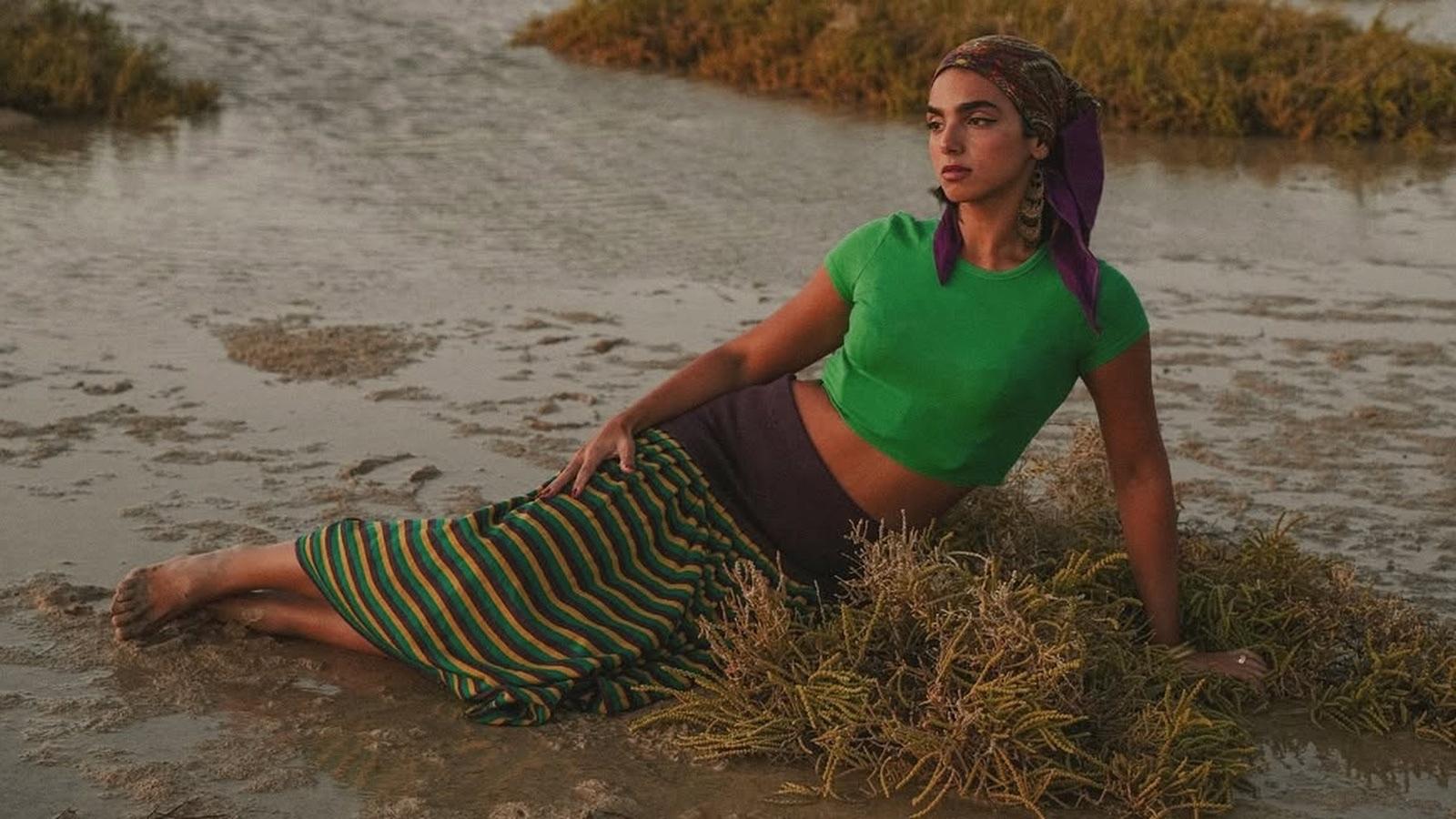
Key takeaways
- Farida Bustani is a Cairo-based photographer who calls her style "minimal abstract": noticing fine detail, often above her or far away.
- She shoots on a Sony A7C II. Her favourite lens is a 70-200, because she loves far-away frames that only she can spot.
- On her Soak Academy photowalks, she says beginners most often miss being present. Her advice: let your eye lead and don't compete.
- Her exercise: underwhelm yourself. Focus on one thing at a time, such as shadows on windows or a specific colour, and shoot only that.
- She has worked in the UAE once or twice and would love to do more here.
A Creator Series interview with Cairo photographer Farida Bustani.
In a new place, Farida Bustani's eyes usually get there first. "My eyes usually spot things before my mind can understand," she says, "and sometimes it also shocks me till this day that I noticed things the way that I do." She adds that "they're usually things that are above me or further away than an eye can notice."
Bustani is a Cairo-based photographer who describes her style as "minimal abstract." On her Soak Academy photowalks she asks people to underwhelm themselves: focus on one thing at a time, such as shadows on windows or a specific colour, and let the eye lead. She posts as @faridabustani (about 39K followers), publishes commercial work as Gallery Bustani and personal work as Classic Bustani. This Creator Series interview follows our earlier piece on Emirati photographer Amani AlShaali and female photographers in Dubai's commercial work.
She was also listed as a speaker at UTH Festival 2026, held on 20 and 21 November at the Grand Egyptian Museum in Cairo. The festival agenda had her hosting a 30-minute Content Creation fireside chat on Friday 20 November, titled "The Internet Has a Version of You. Do You Agree With It?", with Ammar Kandil.
How it started
It began with a camera that was already in the house. "It's going to sound cheesy but it really found me at a young age," Bustani says. "I remember finding my mom's camera in the cupboard and going around town shooting portraits and leaves and random things all around, until one day I started choosing photography over hanging out with friends and doing homework."
From there, the work arrived by recommendation, not by a formal launch. "Then it all just took off from there, word of mouth and people asking me to shoot their restaurants and homes and wedding portraits."
Her style
Ask her to name the work and she does, then leaves a door open. "I'd describe my style as minimal abstract," she says. "It always was a struggle to really identify what my style was like but I think I'd leave it open ended and I'd like to believe that I have my own style and it's really just noticing the really fine detail of all that is around us."
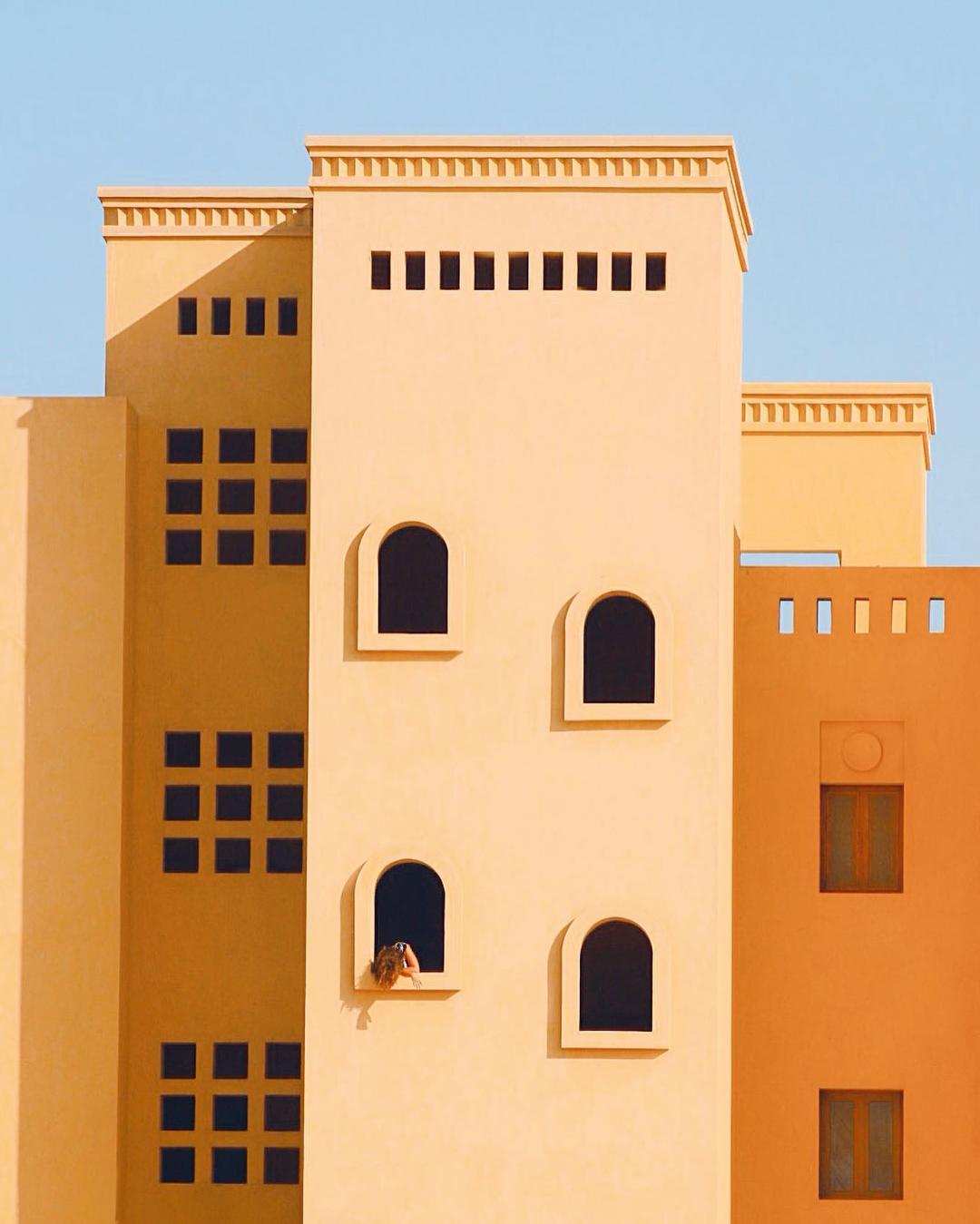
One small figure in a wall of windows. Photo: Farida Bustani.
The label matters less than the habit. She is looking for the small thing in a scene that other people walk past: a fine edge, a shape, a patch of detail that only becomes a picture when someone stops for it. "Noticing the really fine detail of all that is around us" is as close as she comes to a method, and she would rather leave the rest open ended than force a tighter name.
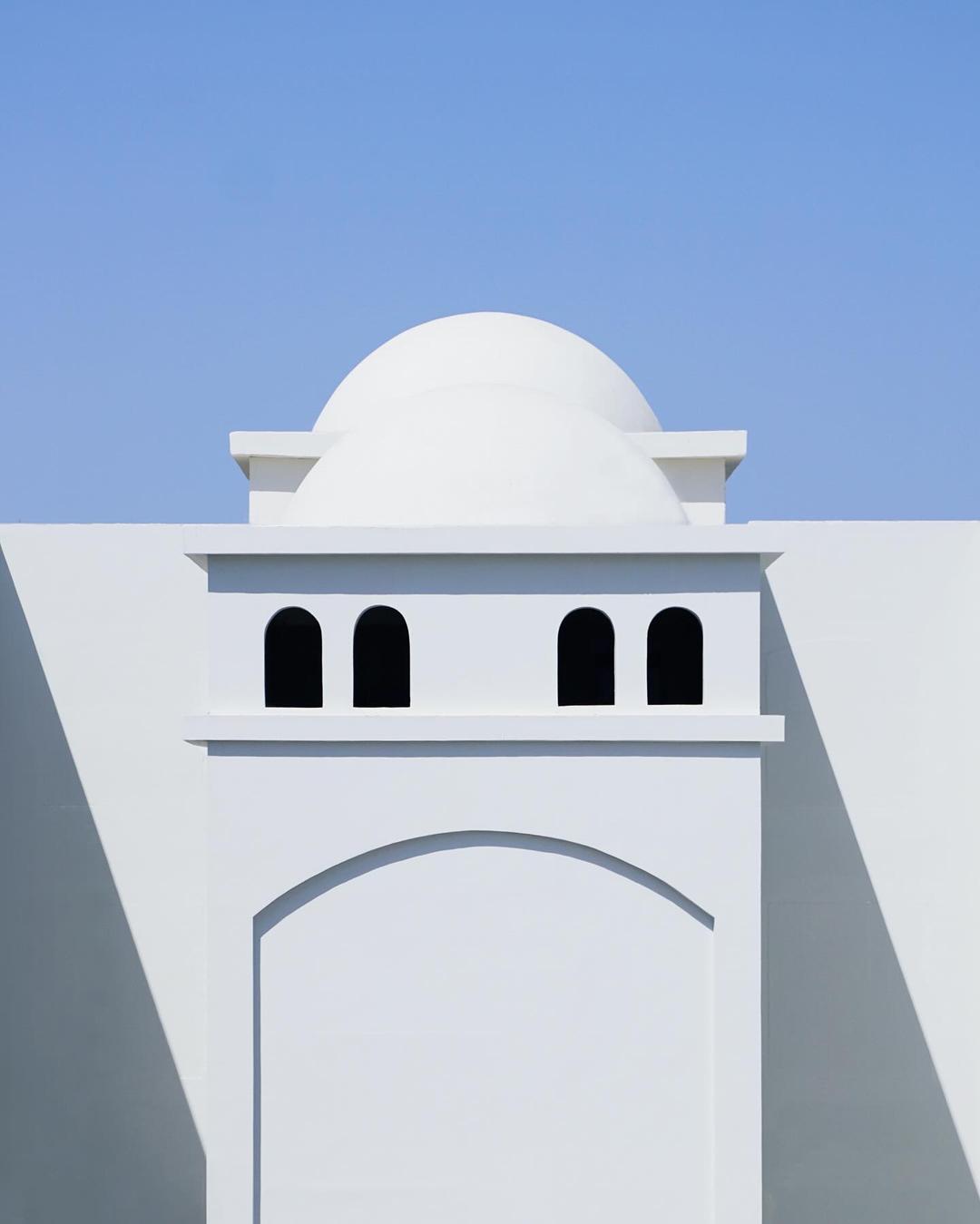
Shape, shadow and nothing else. Photo: Farida Bustani.
Why a long lens
The far-away frames are not an accident of kit. They are what she is already seeing. "I use a Sony A7C II and my favorite lens is the 70-200 because I just love far away frames, or things that only I can spot," she says. "So to have a lens that can really reach the point I can spot, hits the spot."
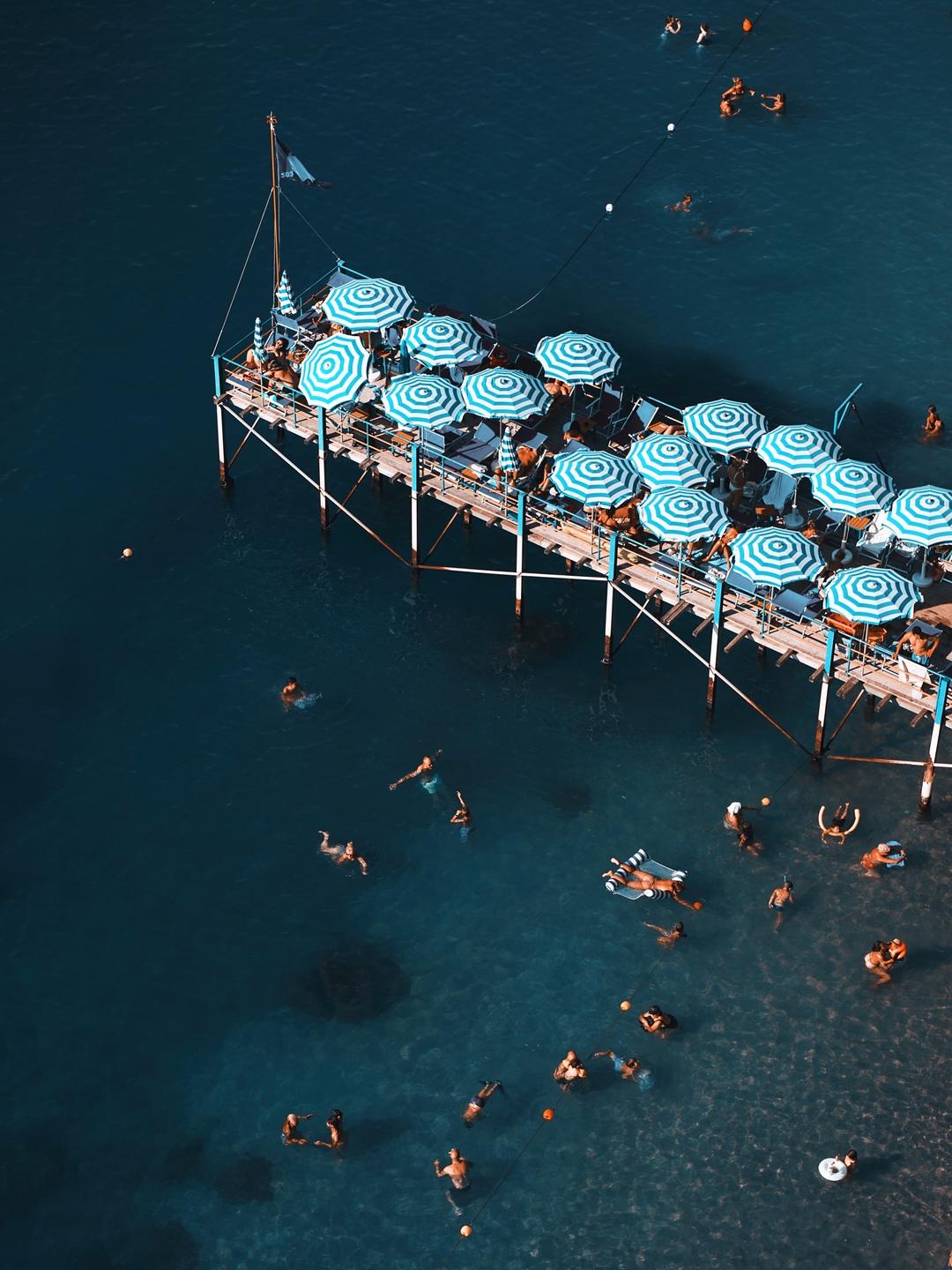
Far away, from above. Photo: Farida Bustani.
Her black and white series from Oman, which she calls "MonochrOman" and shot with Puzzle Egypt and Experience Oman, shows the same habit. Her own captions say it was shot with a 50-150mm F2 lens on the A7C II.
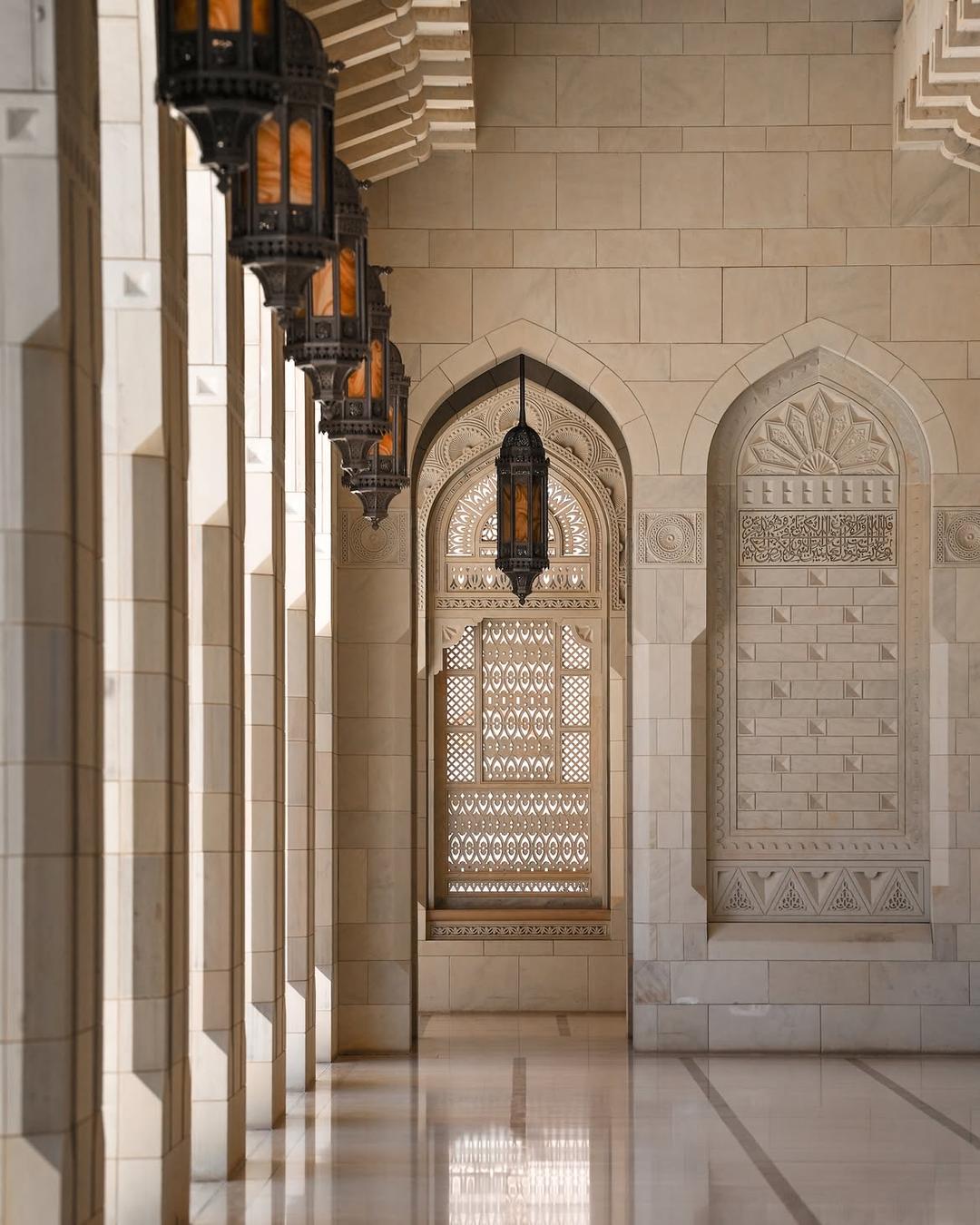
Arches, lanterns and a vanishing line. Photo: Farida Bustani.
A short reader note, not her words: Sony describes the Alpha 7C II as a compact, lightweight full-frame camera, and positions it for travel and daily snapshots. A small full-frame body with a telephoto zoom is one practical way to reach distant detail on a walk without carrying a heavy kit.
What beginners miss on photowalks
On her walks, the gap she sees is not usually a missing setting. "My beginners usually miss being present," she says, "and sometimes they just want to reach a goal or become professional in one or two classes."
Her reminder is plain, and she includes herself in it. She tries to remind everyone that "everyone's a beginner even I am," and that "the most important thing in a walk is to observe and take your time and really let your eye take the lead and be in your own lane and never to look elsewhere or compete."
"Let your eye take the lead," and stay "in your own lane," is practical advice as much as a temperament. If you spend the hour watching what the person next to you is shooting, you're no longer seeing the thing above you, or further away, that only you spotted. Competition pulls the attention off the scene and onto someone else's pace.
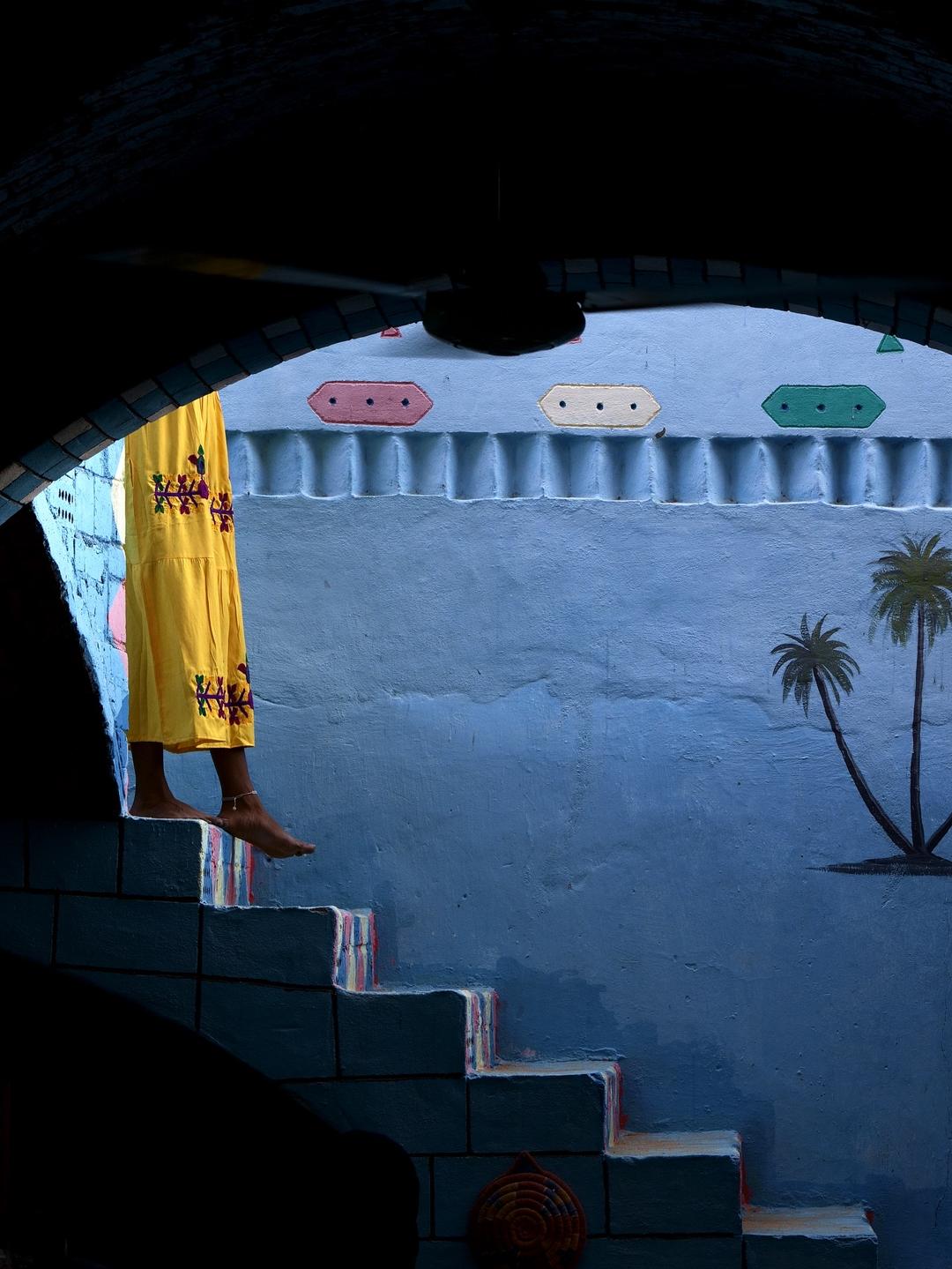
A splash of yellow on blue. Photo: Farida Bustani.
She still counts herself as a beginner. For her, a photowalk isn't a test you pass once; it's a habit you keep practising.
The honest part
Client work, teaching and personal pictures all sit in one practice, and Bustani does not pretend she has solved the balance. "Honestly, I don't think I found the perfect balance," she says. "I wish I could. It's hard sometimes and sometimes it can even get a little inconsistent, but I always try to focus on doing things even when I don't have the energy just to be as consistent as I can and to also not fail anyone, because at the end of the day people do wait and expect more of me."
The consistency is for other people as much as for her own work. She keeps going even without the energy, because people are waiting and she doesn't want to let them down.
The UAE link
Has she worked in the UAE or the Gulf, and does she want to work here more? "I've worked once or twice, but I would love to work more there," she says, "and I would love to have some kind of influence outside of Egypt. I do believe I will maybe just need a little chasing and effort."
Try it on your next walk in Dubai
Bustani's exercise for a photowalk is to shrink the brief, not expand it. "I usually ask people to underwhelm themselves and focus on compartmentalizing themes and styles of photography," she says, "for example, focus on focusing on shadows on windows or even on specific colors."
Focus on one thing at a time, and shoot only that. The point is not to come home with a complete city story. It's to look at one kind of thing long enough for the eye to get ahead of the mind, the way hers does.

One colour, one shape. Photo: Farida Bustani.
The examples below are ours, not hers, as ways to try her exercise on a walk in Dubai or elsewhere in the UAE:
- Shadows from mashrabiya-style screens, or from window grilles, in an older neighbourhood.
- One colour only, such as the blue of abra boats, or of doors in a heritage area.
- Reflections on glass towers, and nothing else, for the length of the walk.

Light on water. Photo: Farida Bustani.
Take only one of those ideas out with you, and ignore the rest until another day. If the first frames feel small, that is the exercise working, not failing. For places to walk with a camera, our guide to the most photogenic spots in the UAE is a starting point. The exercise itself stays the one Bustani gives: underwhelm yourself, focus on one thing at a time, and let your eye lead.
Facts as of 19 November 2026.
Frequently asked questions
Who is Farida Bustani?
A Cairo-based photographer who describes her style as "minimal abstract". She posts as @faridabustani, runs workshops and photowalks with Soak Academy, and publishes commercial work as Gallery Bustani and personal work as Classic Bustani. She was listed as a speaker at UTH Festival 2026 at the Grand Egyptian Museum in Cairo on 20 and 21 November.
What camera and lens does Farida Bustani use?
A Sony A7C II. She says her favourite lens is a 70-200, because she loves far-away frames. Her own captions for her black and white Oman series say it was shot with a 50-150mm F2 lens on the A7C II.
Has Farida Bustani worked in the UAE?
She says she has worked here once or twice and would love to work more in the UAE, and to have some kind of influence outside of Egypt.
What does "underwhelm yourself" mean on a photowalk?
It is her exercise: focus on one thing at a time, for example shadows on windows or a specific colour, and shoot only that for the walk.
Sources
- Farida Bustani, interview with Nicole Steyn for camerahub.ae, November 2026 (on file); her Instagram profile, @faridabustani
- UTH Festival 2026: speakers
- UTH Festival 2026: agenda
- Soak Academy (Shot Of A Kind) on Instagram
- Sony Alpha Universe: Sony Electronics releases two new Alpha 7C series cameras, 29 August 2023

About the editor
Nicole spent five years working in the Middle East, so the region is familiar ground. Producing is what she loves most: bringing the plan, the people and the shoot together.
Related stories
Preet Uday photographer: the colour-first eye behind Everything Is Photographable
Preet Uday photographer: his colour-led Dubai style and the free Everything Is Photographable talk and Al Quoz photowalk, Sat 28 Nov, 4 to 6 pm (UAE).
Voigtlander 35mm f1.2 for Nikon Z: a manual f/1.2 for Dubai nights
The Voigtlander 35mm f1.2 is due in December 2026. Official Japan price, no UAE listing as of 16 Nov, and who it suits for Dubai street and night work.
Rain photography Dubai: how to photograph rain from cover, not a flooded road
Shoot rain photography Dubai safely from cover: wet-road reflections, shutter starting points, and official wadi and flood advice. Stay off flooded roads.