
Claude Code Camera Hacks? What Photographers Really Changed
A Fuji chased a film look, a Ricoh learned feet and inches, an old Sony got its apps back. What Claude really changed on three cameras, and what it didn't.
Key takeaways
- Pat Simmons used Claude Code on a Mac to drive his Fujifilm X-T5 over USB with open-source tethering tools; by his account nothing was installed on the camera and its firmware was not changed.
- Tony Northrup says he used Claude to modify his Ricoh GR IV's firmware so Snap Focus shows feet and inches; Ricoh's own spec page lists Snap distances in metres only.
- Chris Gampat of The Phoblographer says he used Claude, not Claude Code, to reinstall discontinued PlayMemories apps on his original Sony a7.
- Sony ended all PlayMemories downloads on 31 August 2025; apps already on a camera keep working.
- All three results are self-reported, none is supported by the camera makers, and we have not tried them.
Three photographers recently described asking Anthropic's Claude to work on cameras they already own, and each changed something different. Pat Simmons used Claude Code on a Mac to drive his Fujifilm X-T5 over USB, using functions the camera already has; he did not change its firmware. Tony Northrup reports that he used Claude to modify his Ricoh GR IV's firmware so Snap Focus shows feet and inches. Chris Gampat of The Phoblographer reports that he used Claude to reinstall discontinued PlayMemories apps on his Sony a7. All three results are self-reported. None is supported by the camera makers, and camerahub.ae has not tried any of them.
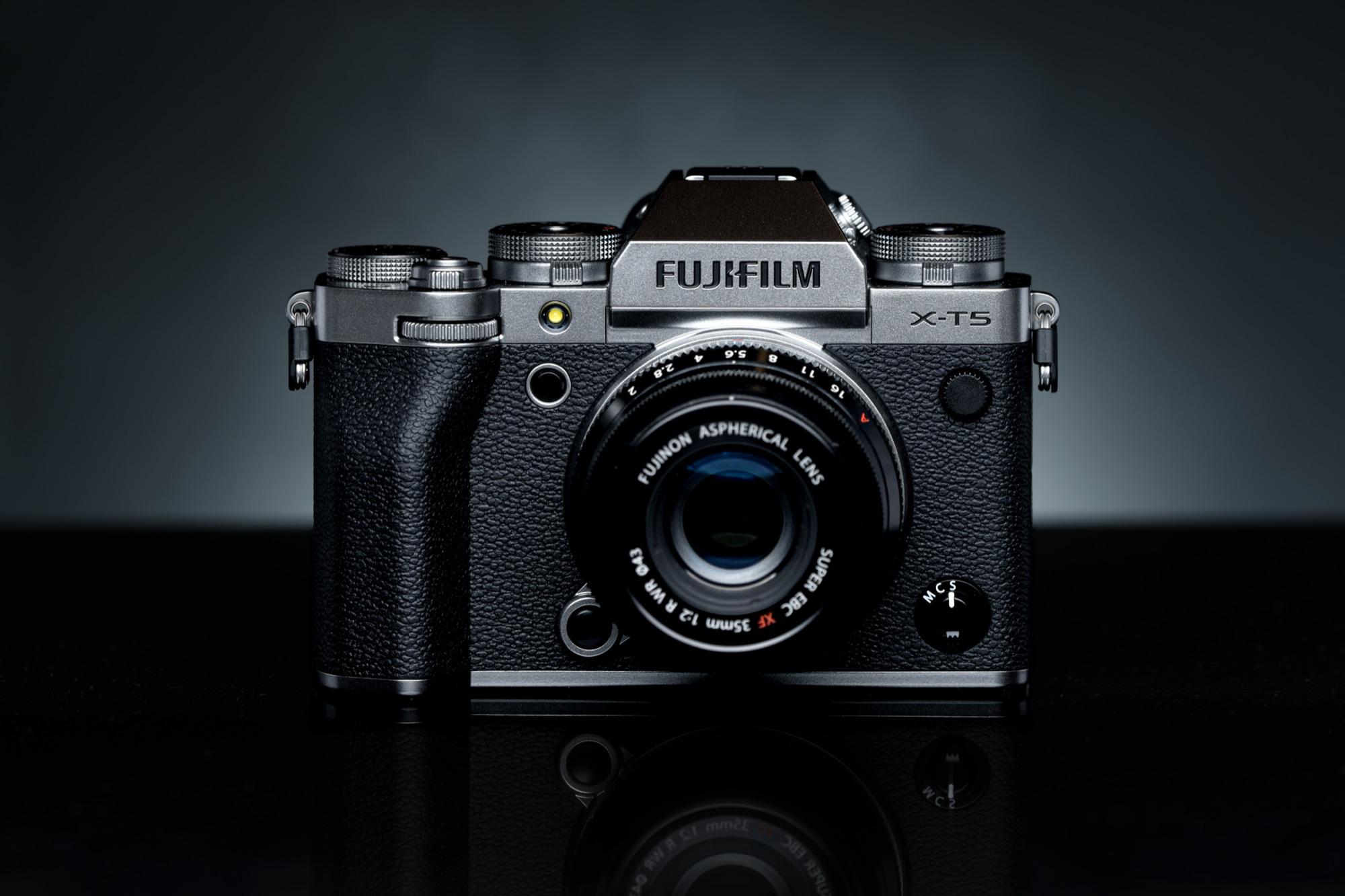
Pat Simmons started by asking his Fujifilm X-T5 a simple question: what are you set to right now? His first prompt to Claude Code, which he publishes in full, asked it to "figure out how to control my XT5 from this Mac. Just tell me what it's set to right now." By his account, Claude installed the open-source tool gphoto2, found the camera and read back 1/60, f/2.8 and ISO 500, changing nothing. Soon he was asking it to switch film simulations, take a photo, and send RAW files back through the camera for a different colour treatment.
That sounds like a camera hack. It isn't one, at least not in the firmware sense. What Simmons demonstrated is a new way to operate functions the X-T5 already has. Claude Code ran on the computer, and tethering tools talked to the camera. The novelty was asking for a result in plain language and having the software carry out the steps.
These are three different kinds of change.
Three cameras, three different kinds of change
Case 1: the Fujifilm X-T5 and a film look in two parts
What changed: how the camera was operated. What did not change: its firmware.
Simmons set out his project in a video on his channel, "I Just Hacked My Camera With Claude Code (and so can you)", published 6 Nov 2026, and in a written guide on his site AI for Mortals the same day. He connected the X-T5 to a Mac over USB-C and, in his words, had Claude Code "shoot photos, design a Portra 800 recipe and load it into the camera, and re-render my RAW files on its own processor."
The building blocks are features Fujifilm already ships. Fujifilm's X-T5 compatibility page lists the official software that works with the camera, including FUJIFILM TETHER APP, Capture One, Adobe Photoshop Lightroom Classic with the Tether Plugin, FUJIFILM X Acquire and FUJIFILM X RAW STUDIO. Simmons did not use those apps for the AI part. He says Claude worked through open-source tools, gphoto2 for shooting and settings and fujicli for RAW conversion, and wrote small scripts from community protocol notes when a tool was missing something. Re-rendering RAW files through the camera is what X RAW Studio normally does; Simmons's point was doing it from a prompt instead.
Simmons also lists what Claude could not do over USB. He says it could not pick the active custom slot or switch the camera's USB connection mode, which he had to change on the body for each job, and that the physical dials override settings sent over USB.
Simmons wanted the glow that bright lights get on CineStill 800T film: halation and bloom. He writes that the X-T5's menus have no setting for either, so he asked Claude to look for a way to add them in firmware. Claude studied Fujifilm's official update file on the Mac only, found no hidden switch, and he stopped there. "Nothing was ever installed on the camera," he writes. The finished workflow split the job: the camera rendered colour and grain from a published CineStill 800T recipe, and a script on the Mac added the halation and bloom afterwards.
Simmons himself frames his guide as educational only, says firmware changes can brick a camera, and cites Fuji X Weekly's report that Fujifilm treats unlicensed programs that connect to or control its cameras as voiding the warranty.
Case 2: the Ricoh GR IV learns feet and inches
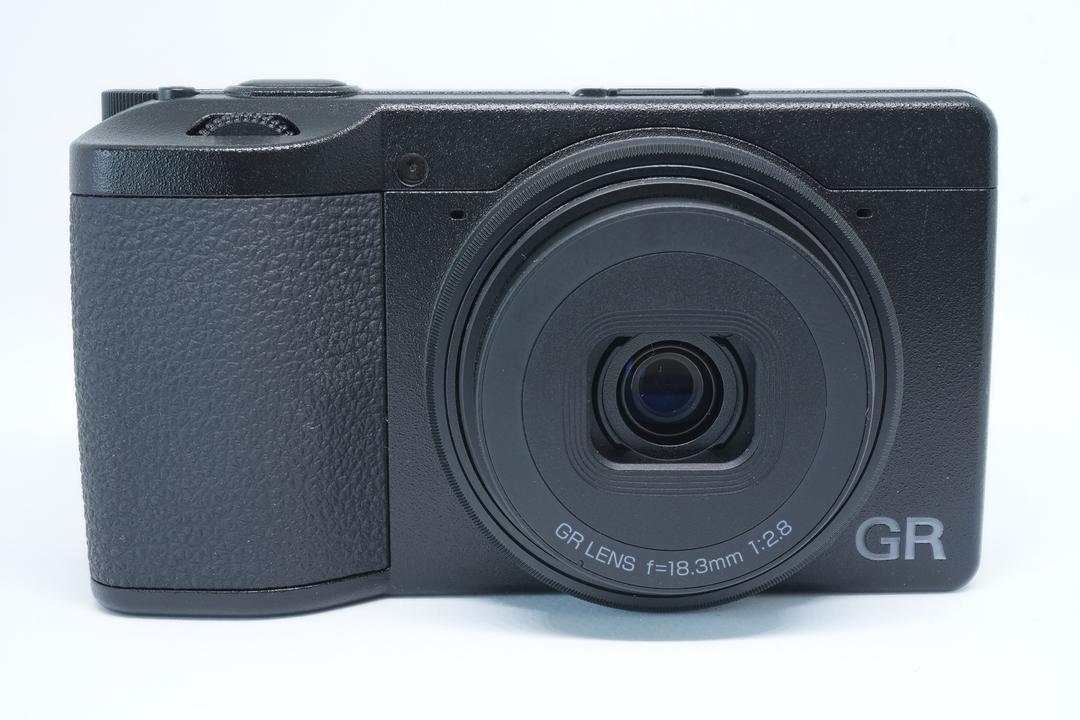
The Ricoh GR IV. Photo: Strubbl / Wikimedia Commons (CC BY-SA 4.0; resized).
What changed: the camera's firmware, by Northrup's own account.
Tony Northrup had a more specific request. Ricoh's GR IV specification page lists the Snap focus distances in metres only: 0.3 m, 1 m, 1.5 m, 2 m, 2.5 m, 3.5 m, 5 m and infinity. Snap Focus lets photographers set the focus distance in advance, and Ricoh's Full Press Snap fires at that distance with one full press of the shutter button.
In "I hacked my camera with AI (and so can you)", published on the Tony & Chelsea Northrup channel on 26 Oct 2026, Northrup says: "I used Claude to make my metric-only Ricoh GR IV show feet and inches." For anyone who judges distance in feet, the change removes a mental conversion at the moment of shooting. That is our reading of the use case, not a claim about how Northrup works.
This is a firmware change, which puts it in a different class from Simmons's tethering. The video description itself warns: "Hacked firmware isn't supported by the manufacturer and can brick your camera. If you try it, you do it at your own risk." The result is self-reported, and we have not tried it.
Both experiments started from an everyday preference
The difference is where the change happened. Simmons's finished workflow used the X-T5's existing controls and a computer. Northrup reported changing the software inside his Ricoh. A video shows what worked for one person on one camera. It is not evidence of how a change holds up over months of use.
Case 3: an old Sony gets its apps back
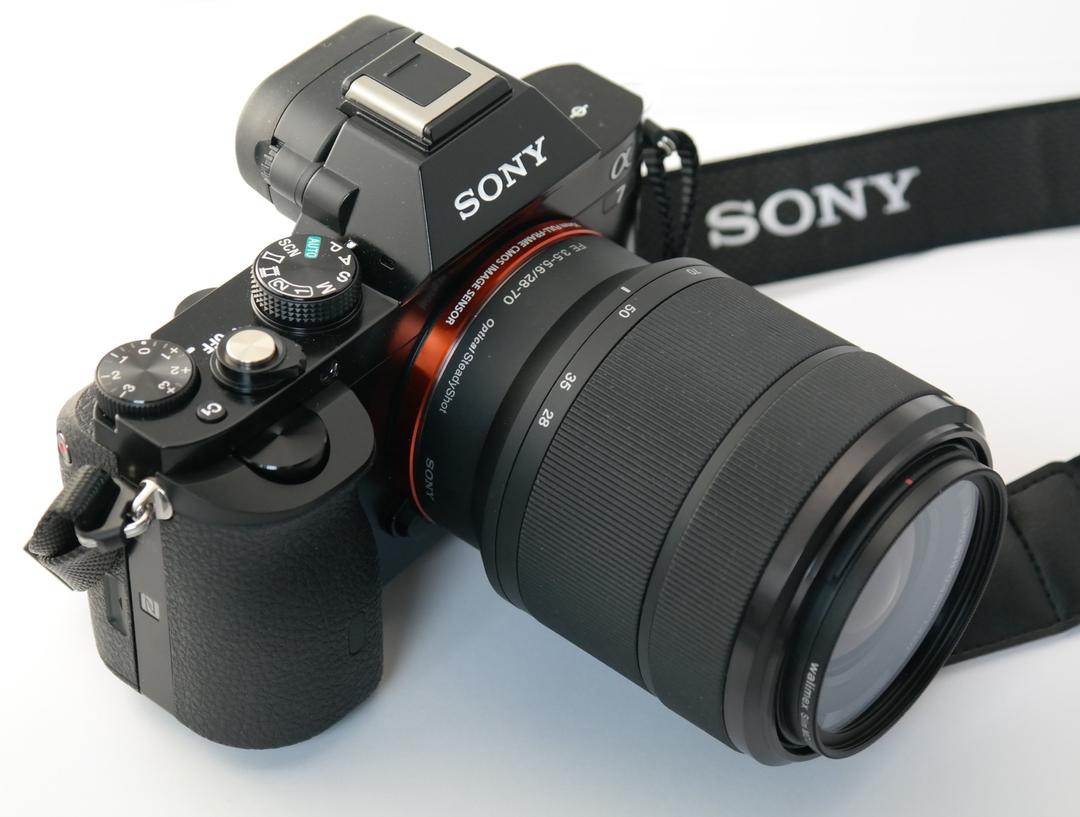
The original Sony a7 (ILCE-7). Photo: Hans Braxmeier / Wikimedia Commons (CC0).
What changed: apps restored to the camera, by Gampat's own account. This was Claude, not Claude Code.
The Phoblographer's Chris Gampat reported, in a 16 Oct 2026 newsletter and the full article it links to, that he had put the old PlayMemories apps back on his Sony a7. He describes those apps as giving early a7 models "multiple exposures, star trails, light painting, and several other features that are now gone," and writes: "In the past week, I figured out how to do it with Claude."
Sony's support notice gives the background. Sales of paid PlayMemories Camera Apps ended on 30 September 2023, and the download service for all apps, paid and free, ended on 31 August 2025. Sony adds that apps already downloaded to a camera keep working after the download service ends. The original a7 (ILCE-7) is on Sony's list of models that can use the apps. So the problem Gampat solved was getting apps onto a camera after the store closed, not reviving apps that had stopped working.
PlayMemories: from store closure to an AI-assisted reinstall
- 30 Sep 2023Paid app sales endSony stops selling paid PlayMemories Camera Apps.
- 31 Aug 2025All downloads endThe download service closes for paid and free apps. Apps already on a camera keep working.
- 16 Oct 2026Gampat restores the appsThe Phoblographer reports Multiple Exposure, Star Trail and Light Painting back on an original a7, installed with help from Claude.
By his account, Claude read the community material he gave it, including an archive of the apps and an open-source installer project, then guided him through the setup and found a terminal-based way to install when the installer did not work on his newer macOS. He lists the apps now on his a7, including Multiple Exposure, Star Trail, Light Painting, Touchless Shutter and Picture Effect+. Not everything worked: he says the Light Trails app kept crashing, and he had to pull the battery to recover the camera. He also warns that "hacking your camera comes with your own risks."
For UAE readers: the warranty question
If you are thinking of trying any of this on a camera bought in the UAE, read our explainer on camera firmware hacks and UAE warranty risk first. It covers what manufacturer warranty terms say about modified cameras. For X-T5 owners who want to stay on official software, our Fujifilm X-T5 and X-H2 firmware update guide covers the official route.
Frequently asked questions
Did Pat Simmons hack his Fujifilm X-T5's firmware?
No. By his account, Claude Code controlled the X-T5 from a Mac through USB and open-source tethering tools, using functions the camera already has. Nothing was installed on the camera, and the halation glow was added on the Mac instead.
Does the Ricoh GR IV show Snap Focus in feet?
Ricoh's specification page lists Snap distances in metres only. Tony Northrup says he used Claude to modify his own camera's firmware to show feet and inches. That is his self-reported result, not a Ricoh feature.
Do PlayMemories apps still work on Sony cameras?
Sony says apps already downloaded to a camera keep working after the download service ended on 31 August 2025. New downloads from Sony are no longer available.
Are these camera hacks safe to try?
We cannot say they are. All three accounts are self-reported, none is supported by the camera makers, and we have not tried them. Northrup and Simmons both warn that firmware changes can brick a camera; for UAE warranty terms, see our firmware hack and warranty explainer.
Sources
- Pat Simmons: I Just Hacked My Camera With Claude Code (and so can you), YouTube, 6 Nov 2026
- Pat Simmons: How I Got Claude Code to Control My Fujifilm Camera, AI for Mortals, 6 Nov 2026
- Fujifilm: X-T5 compatibility chart
- karaolidis: fujicli on GitHub
- Ricoh Imaging: RICOH GR IV specifications
- Tony & Chelsea Northrup: I hacked my camera with AI (and so can you), YouTube, 26 Oct 2026
- Chris Gampat: Exclusive: I Hacked a Sony a7 With AI to Do What Sony Took Away, The Phoblographer, 16 Oct 2026
- Chris Gampat: Exclusive: I Hacked a Sony Camera with AI, The Phoblographer newsletter, 16 Oct 2026
- Sony: PlayMemories Camera Apps ending (updated 2 Sep 2025)

About the editor
Nicole spent five years working in the Middle East, so the region is familiar ground. Producing is what she loves most: bringing the plan, the people and the shoot together.
Related stories
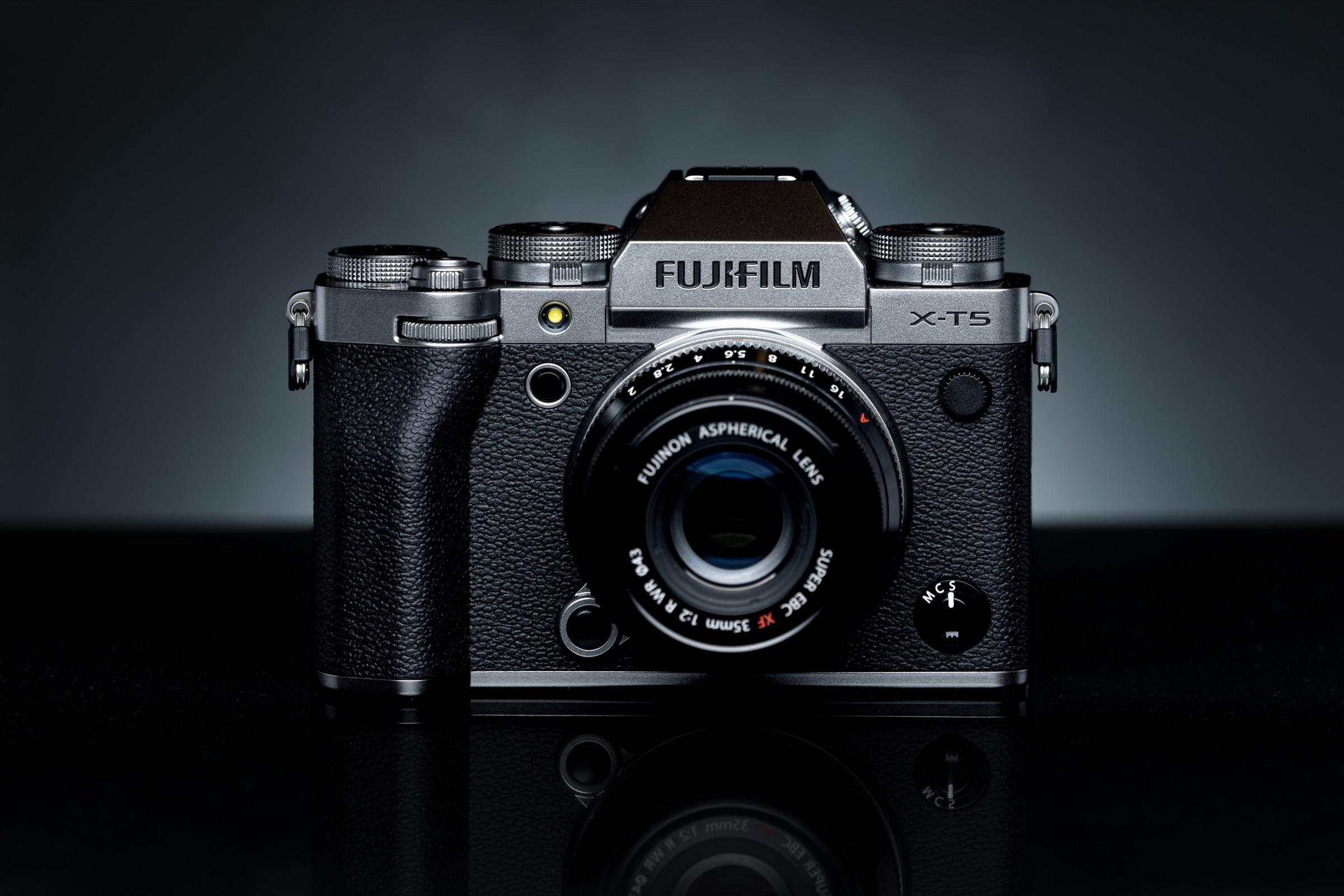
Fujifilm X-T5 firmware update: should UAE owners install today, or wait?
A Fujifilm X-T5 firmware update landed on 10 Nov 2026, with X-H2 and X-H2S builds too. What each official page fixes, and how UAE owners can update safely.
GFX ETERNA 55 price: what the US$9,999 body-only listing leaves out
Retailers list a body-only Fujifilm GFX ETERNA 55 at US$9,999. Their box contents omit the monitor, handle and AC adapter. UAE rent vs buy, explained.
Sony a7R VI: who in the UAE should upgrade, and who should stay on the V?
Sony a7R VI for UAE buyers: official specs, firmware 1.02, first reviews, 10 November 2026 AED prices and whether a7R V owners should upgrade or stay.